Grief coaching and therapy are often confused, but they are not the same. In this article, Heather Stang explains how each supports grieving people, when one may be a better fit than the other, and why training, scope, and grief-informed care matter.
Grief coaching tools help professionals support clients through loss, emotional pain, and disruption to daily life. This article explores practical methods grief coaches use, including structured reflection, planning tools, and nervous system support. You’ll also learn why a coach’s presence and regulation matter as much as the tools themselves.
Not all grief coach training programs are created equal. If you are a therapist, chaplain, doula, yoga therapist, meditation teacher, or coach looking for grief-specific training, this guide will help you understand what to look for, which red flags to avoid, and how to choose a program that is practical, ethical, and grounded in the realities of loss.
Can you become a grief coach without a degree? In many cases, yes. But grief work still requires training, clear boundaries, trauma sensitivity, and ethical support skills. This article explores what you do need if you want to support grieving people well, stay within your scope of practice, and approach the work with humility and care.
3-4 sentance excerpt
Grief can shake your confidence in ways you may not expect, leaving you second-guessing decisions, relationships, and even yourself. Learn why self-trust can change after loss and how mindfulness, self-compassion, connection, and small everyday choices can help you rebuild it. These 10 practical tips offer a place to start, without telling you how you should grieve.
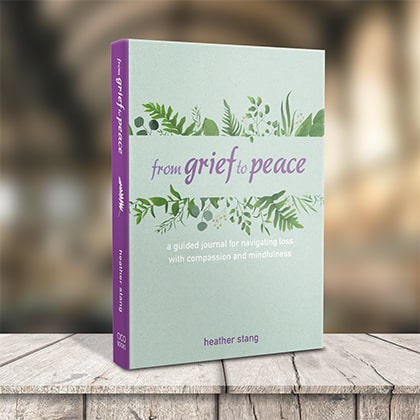
Grief journaling gives you a private place to put words around memories, emotions, questions, and the changes that follow loss. Learn how to start a grief journal, the difference between free writing and guided prompts, and what to do when the blank page feels intimidating. You’ll also find grief journal prompts and practical ideas for making the practice your own.
Mindfulness for grief can help you notice what is happening and give you more choice in how you respond. That might mean using meditation when your mind is racing, compassion when self-criticism is loud, journaling when you feel caught in a loop, or taking a break when you have reached your limit. Grief can show up
Grief can be lonely even when you have good people in your life.Friends may care deeply and still not know what to say. Family members may be grieving the same person in completely different ways. As the weeks and months pass, other people often return to their routines while your relationship with the loss continues
Somatic grief exercises help people notice and respond to the physical experience of loss through body awareness, mindful movement, grounding, and other practices. Grief affects more than our thoughts and emotions. It can show up as tension, exhaustion, restlessness, changes in breathing, or a sense of disconnection from the body. For grief counselors, therapists, coaches, and