
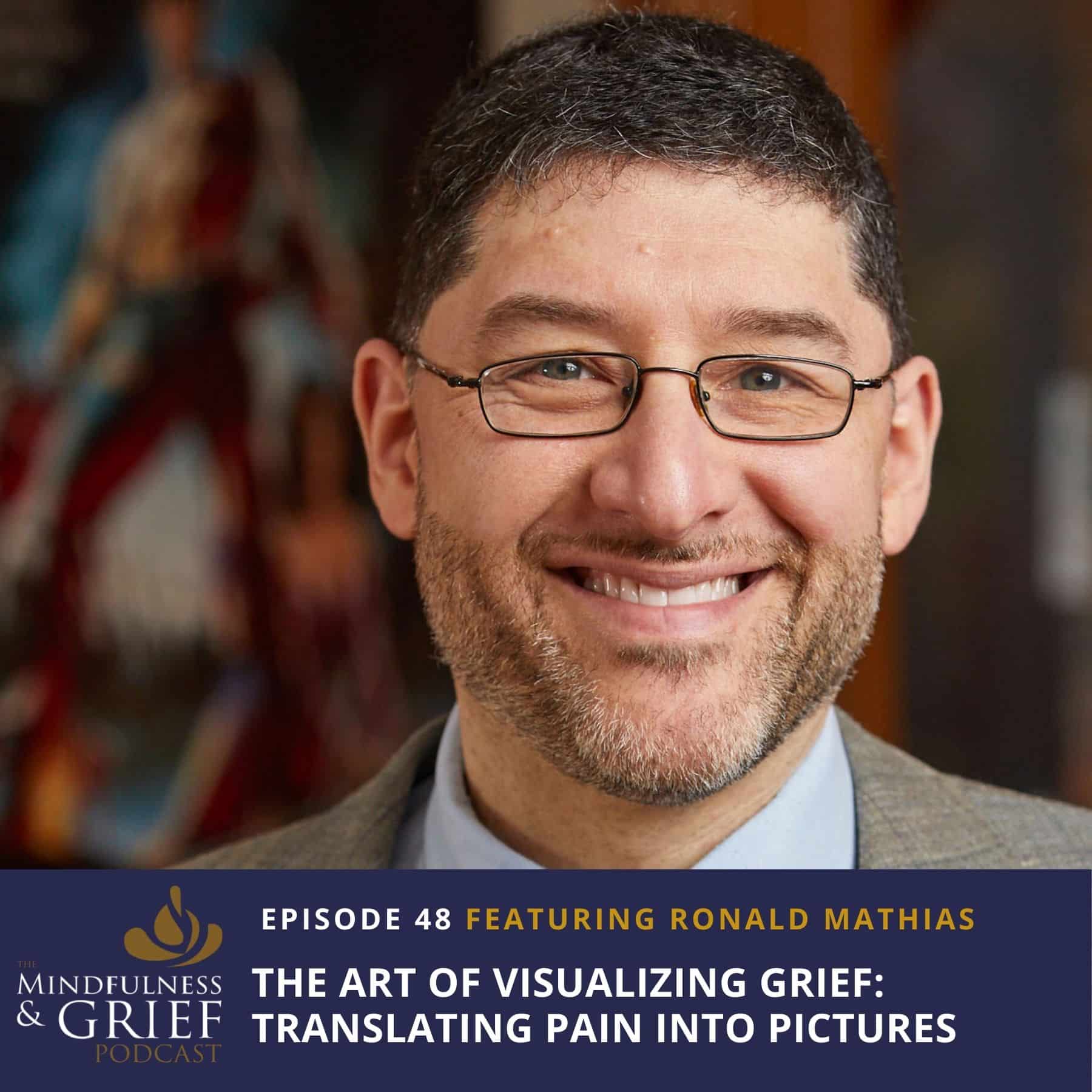
Ronald Mathias talks to us about his field of medical illustration: the art of taking complex medical procedures, descriptions, or concepts and turning them into something visual for ease of understanding. He spends most of his time translating traumatic injuries and building empathy for the pain someone has suffered into a visual medium for litigation.
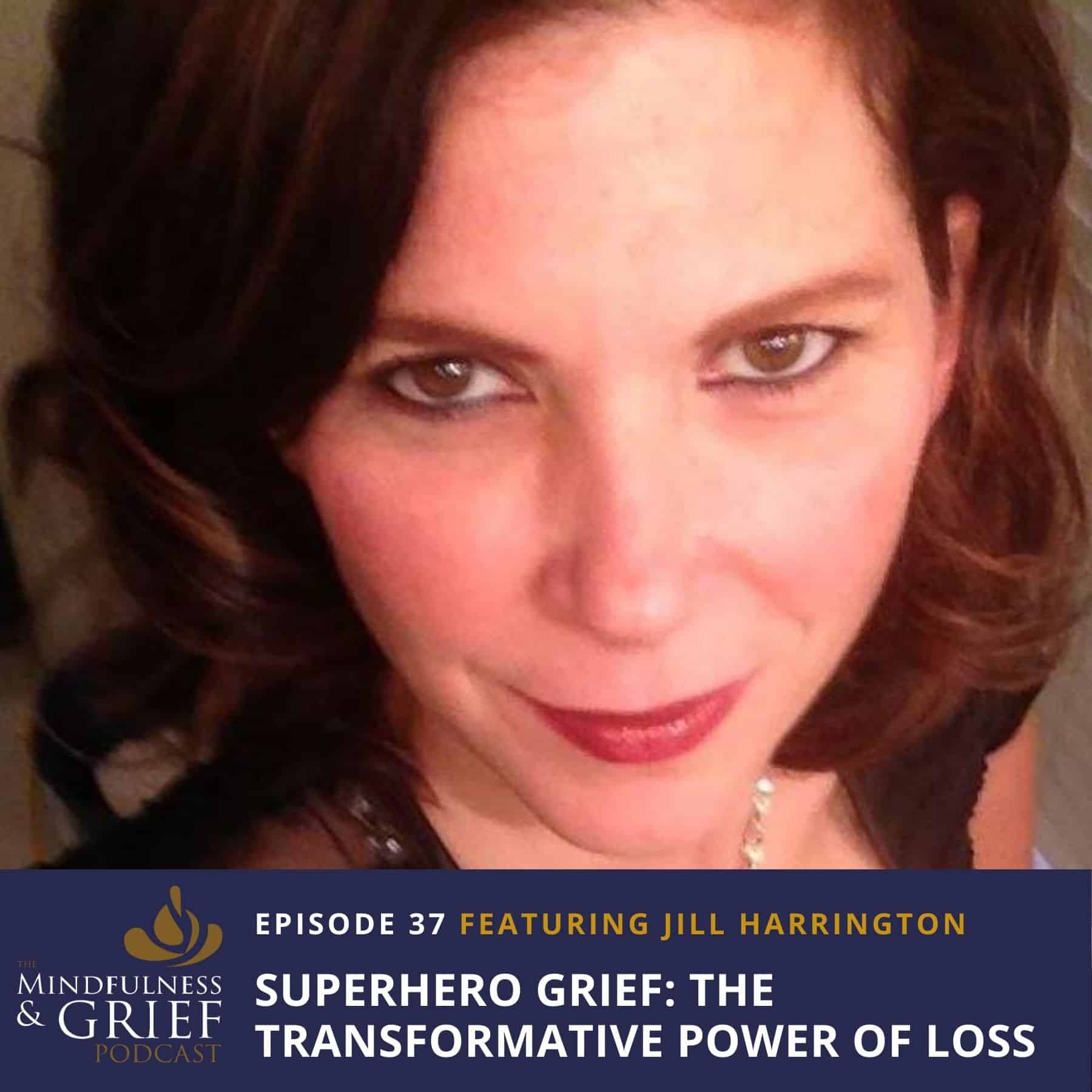
It’s hard to feel like a superhero while amid tremendous grief. But through her work composing Superhero Grief: The Transformative Power of Loss, Dr. Jill Harrington shows us how we are more like superheroes than you might think. Each superhero that you can think of has experienced some level of trauma that they’ve had to overcome. While their superpower may seem more significant than yours, the motivation to stand up and put one foot in front of the other is the same, whether you can fly or not.

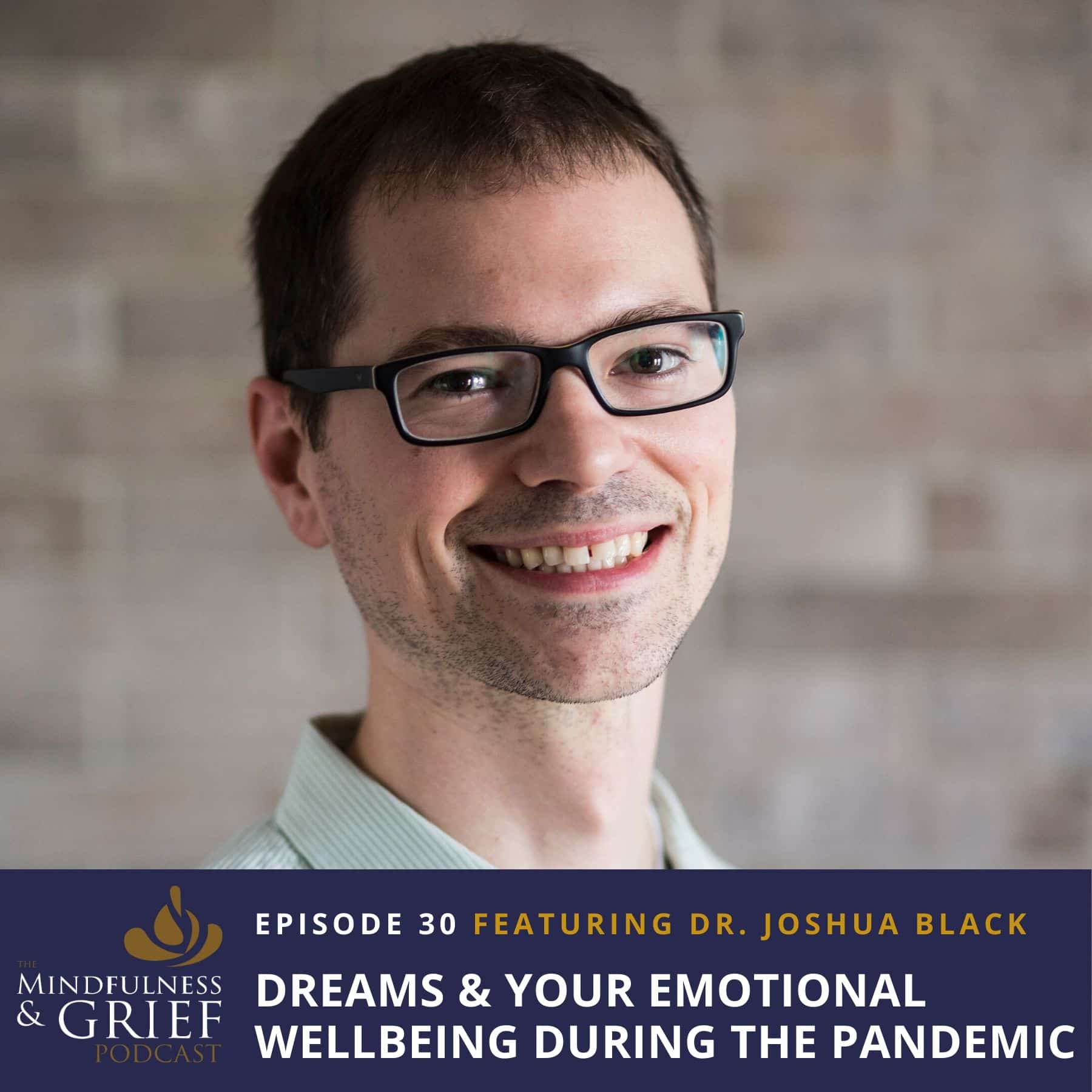
Dreams and sleep are understandably impacted as we all try to navigate the COVID-19 pandemic. Those of us who are already grieving carry an extra load of anxiety in addition to an already aching heart. In this episode, returning guest Dr. Joshua Black shares helpful insights that will empower us to take care of our emotional
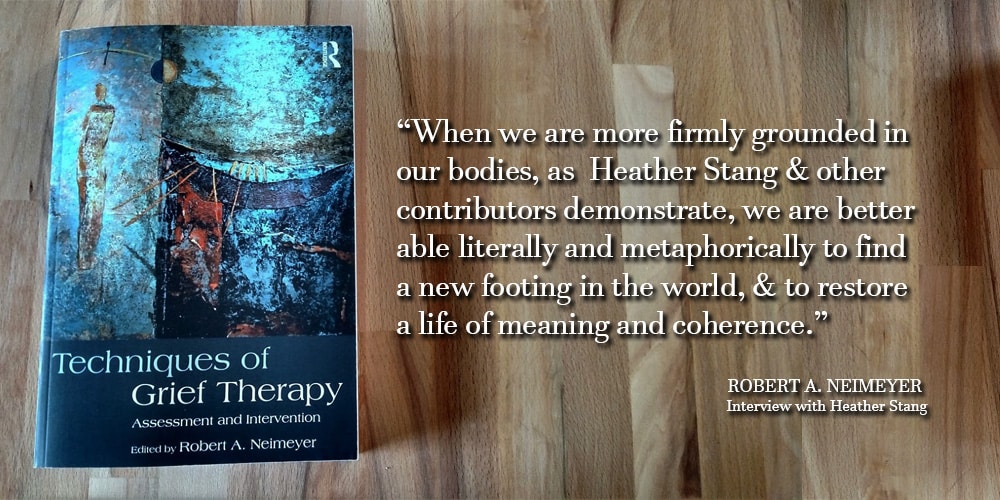
Techniques of Grief Therapy: Assessment and Intervention, edited by Dr. Robert A. Neimeyer, launched on October 16, 2015 and is already a best seller. A follow up to his first volume, Techniques of Grief Therapy: Creative Practices for Counseling the Bereaved, this new release features the contributions of dozens of grief professionals selected by Dr. Neimeyer,
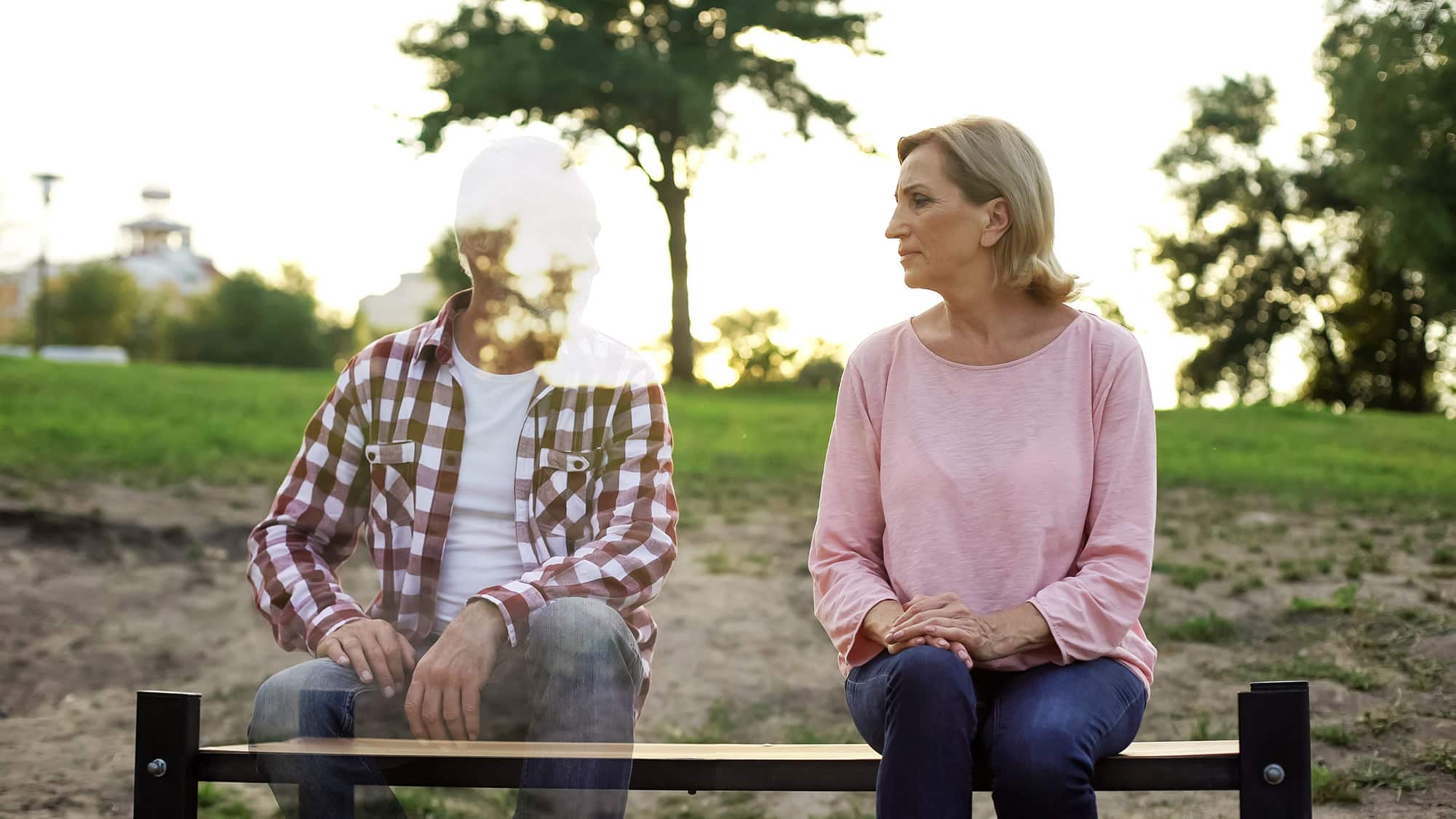
While grief is like a roller coaster, and rarely feels “normal,” most of us have the natural capacity to make it to the other side. Along the journey we will feel a myriad of uncomfortable, intrusive and most of all unwelcome sensations. The pain we feel as a result of losing someone we love seems unfair, but it is natural, and while the loss itself is permanent, the intensity of pain will subside.