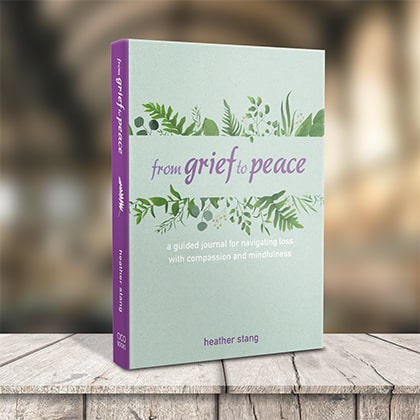
Discover compassionate tips for coping with Mother’s Day grief when your mother is no longer with you, focusing on mindfulness, self-care, and creative expression to honor her memory and find solace. As Mother’s Day approaches, the absence of your mother may feel even more palpable – whether it has been days, months, or decades. It’s important
The first Mother’s Day without your mom is one of the most emotionally challenging days of the year. Whether the loss was sudden or followed a long illness, the absence can feel sharp, surreal, and hard to name.This holiday, so often wrapped in pastel flowers and picture-perfect cards, can bring a flood of memories—and a
Sometimes grief feels like it’s coming back all over again. In this episode, Heather Stang and Amanda Palermo explore why grief is not linear and what it really means to feel “stuck” after loss. Together, they discuss grief waves, emotional setbacks, self-compassion, and practical ways to create movement when grief feels heavy or unmoving.
Teaching meditation for grief requires more than a calming voice or a script. This article explores what kind of training helps you guide with presence, empathy, and trauma-informed care. You’ll learn why personal practice matters, how grief changes meditation, and what to look for before guiding others.
Death anniversaries can be hard not only on the day itself, but in the days and weeks leading up to it. If you’ve ever felt anxious, heavy, or “off” before an important date and didn’t know why, you’re not alone. In this gentle guide, I’ll walk you through seven ways to plan ahead with care so you can ease anxiety, feel more supported, and honor your loved one in a meaningful way. You’ll also find a free worksheet to help you reflect and prepare.
While grief is like a roller coaster, and rarely feels “normal,” most of us have the natural capacity to make it to the other side. Along the journey we will feel a myriad of uncomfortable, intrusive and most of all unwelcome sensations. The pain we feel as a result of losing someone we love seems unfair, but it is natural, and while the loss itself is permanent, the intensity of pain will subside.
Grief can bring guilt, regret, resentment, and self-criticism to the surface. In this episode, Heather Stang and Amanda Palermo explore Step 3 of the Mindfulness & Grief System: Compassion for All, with a special focus on self-compassion after loss. They discuss the difference between empathy and compassion, why grief can strain family relationships, how to create a self-compassion mantra, and why kindness toward yourself is not optional in grief, it is part of how you heal.
Grief is not only something we think about. It is something we carry in the body. This article explores how Phoenix Rising Yoga Therapy for grief can offer a safe, embodied, and compassionate path through loss, helping you move beyond rumination, reconnect with your inner wisdom, and find support through presence, pacing, and reflective dialogue.
Grief is not only something we think about or feel emotionally. It also lives in the body. This article explores how bodywork for grief, from breathwork and yoga to massage, art, music, and animal support, can help regulate the nervous system, reveal embodied wisdom, and make self-compassion tangible after loss.
A replay of the Living With Grief workshop on self-compassion and grief. In this session, Heather Stang shares a simple meditation and journaling practice that helps you discover the words you most need to hear when grief appears, and how those words can become a self-compassion mantra you return to in difficult moments.
After someone dies, you may wonder whether you are supposed to start moving on. Looking at photos, talking about them, or thinking about them throughout the day can bring comfort, but it can also make you question whether you are holding on too tightly. Many people worry that if the sadness fades, the connection might fade too. Grief does not ask you to leave someone behind. Instead, it often becomes a process of learning how to carry their memory forward as your life continues.