
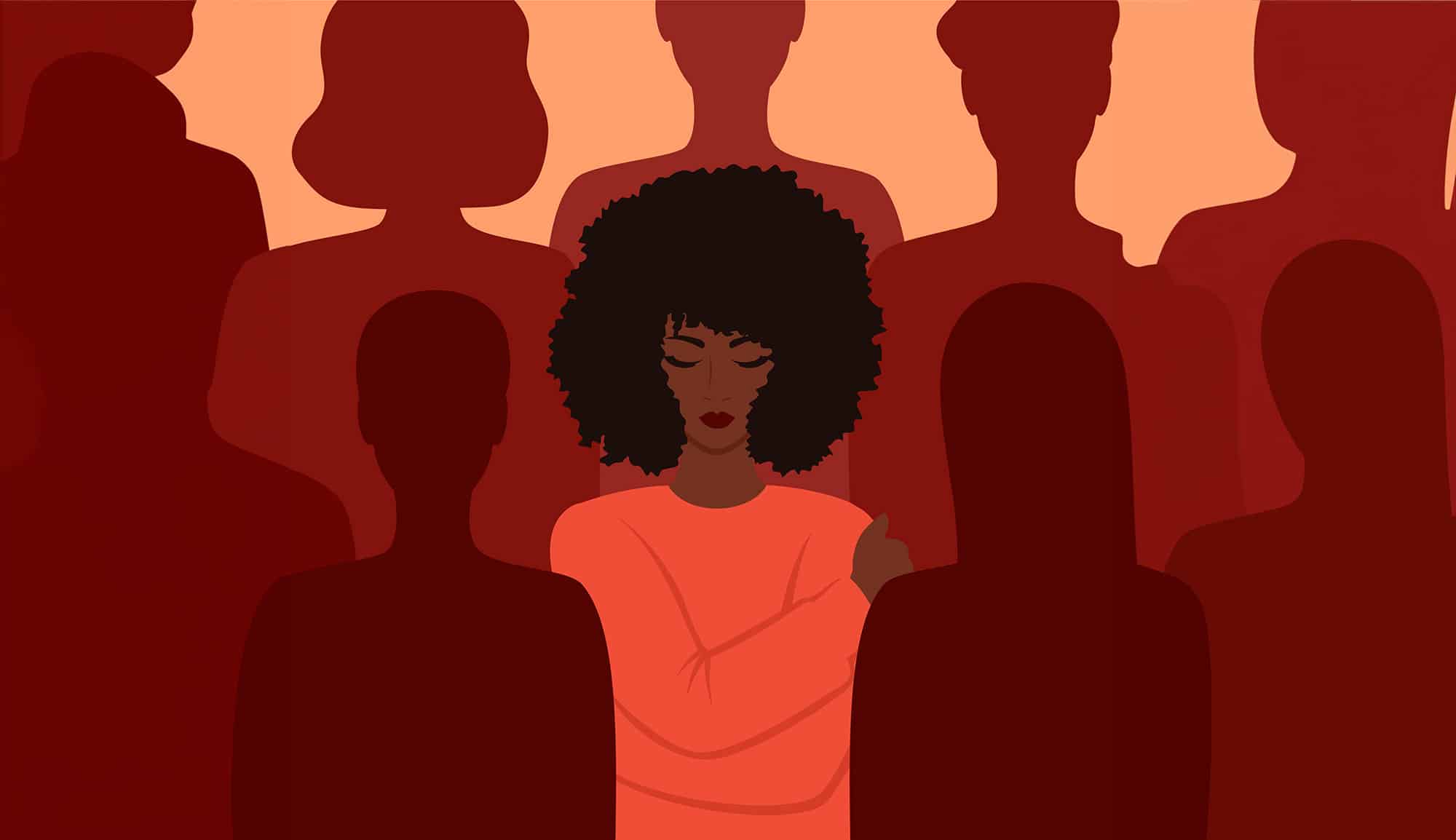
When someone dismisses your grief, criticises your choices, or expects you to pretend you’re fine, the holidays get harder. Learn how to set boundaries, protect your energy, and navigate tough interactions without losing yourself in the process.
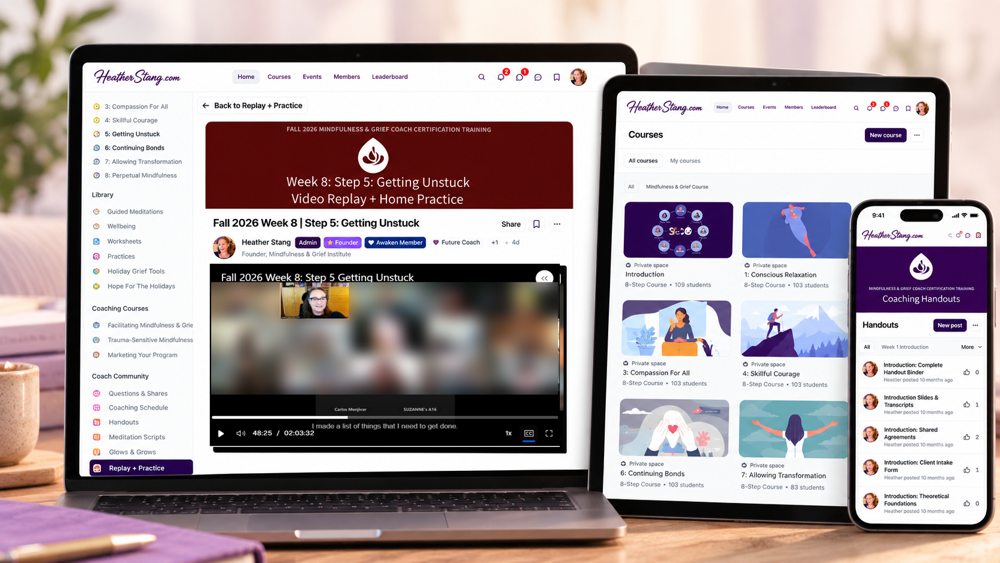
What does it really take to become a confident, compassionate grief coach? Take a behind-the-scenes look at my 12-week Mindfulness & Grief Coach Certification, where experienced helping professionals learn to turn grief theory into practical skills through live coaching practice, personal mentoring, and an evidence-informed approach. Discover how the training prepares you to support grieving people through individual sessions, groups, workshops, and retreats, while developing the self-awareness and confidence to make the work your own.

Grief insomnia is not just frustrating, it can have a negative impact your ability to cope with grief. While sleep disruptions are a common grief reaction, long term sleep deprivation can wreak havoc on your health and quality of life, and even contribute to prolonged grief disorder (formerly called complicated grief).

Grieving alone can mean wanting time to yourself, feeling lonely even when people are around, or realizing your social world has changed after a loss. Learn how to recognize what you need, work with loneliness through mindfulness and journaling, and begin reconnecting in ways that feel right for you. You’ll also find options for grief support when you want more connection.

Nobody teaches us how to grieve, yet we’re expected to know what to do when someone we love dies. Drawing on neuroscientist Mary-Frances O’Connor’s research and her own experiences of loss, thanatologist Heather Stang explores grief as a form of learning, why tasks are more useful than stages, and how mindfulness can help us discover what works for us.

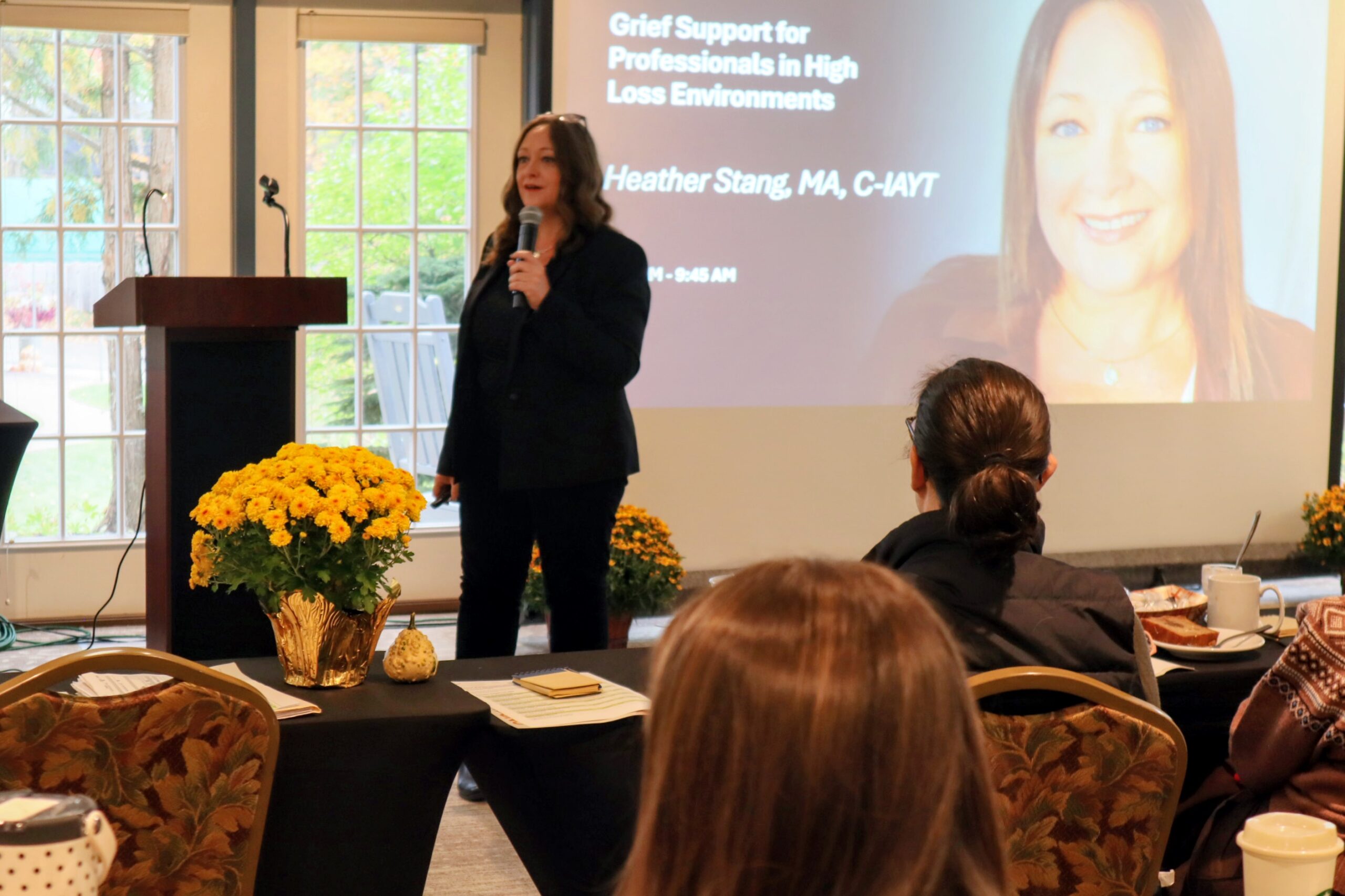
Choosing a grief speaker is about more than finding someone who can talk about loss. The right person should understand grief, connect with your audience, and give people something practical they can use afterward. This guide explains what to look for in a grief speaker, why personal and professional experience both matter, and how keynotes, workshops, retreats, peer support, and professional training serve different needs. It also covers ways to make the learning easier for attendees to remember and revisit after the event.

Worried that joining a grief support group will leave you feeling even sadder? Some groups focus on sharing painful stories, while others help you build practical skills to soothe yourself, find comfort, and adjust to life after loss. Thanatologist Heather Stang explains what makes grief support groups helpful, what to look for in a group, and why talking about grief is only part of the process. Discover how the right support can help you live with grief while continuing to love and remember your person.

When you’ve lost someone you love, knowing where to turn for help can feel overwhelming. Learn how grief counseling can help reduce suffering, what to expect from private sessions, and how individual counseling compares with grief support groups. Thanatologist Heather Stang shares practical, mindfulness-based approaches to working with grief, from calming anxiety to nurturing the love and memories that remain. Explore your options and find support that fits your needs, values, and life.
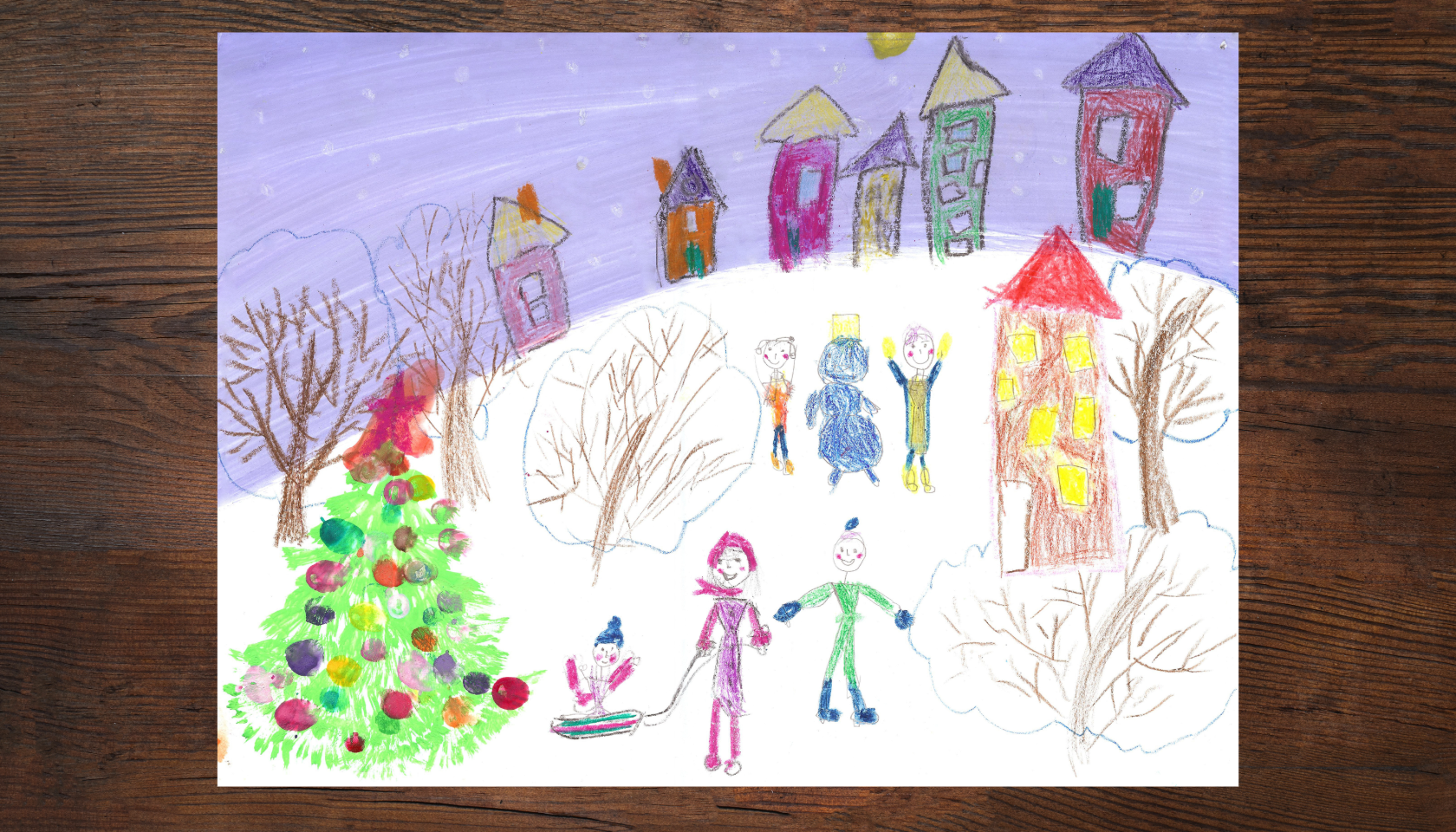
The holidays have a way of bringing memories to the surface, especially when we’re missing someone we love. This holiday grief activity combines drawing and journaling to help you spend time with a cherished memory, explore the love and grief it holds, and create something meaningful you can keep or share.My uncle Doug died by