What do you say to someone who is grieving? It depends. Your relationship, the circumstances of the loss, what the person is experiencing, and even the moment you're sharing all matter. There isn't one right thing to say, but speaking from the heart, listening carefully, and being willing to sit with someone's pain are good places to start.
What we say carries weight. Words can offer comfort, but they can also hurt, even when our intentions are good. Sometimes we're so afraid of saying the wrong thing that we avoid the person altogether, leaving them feeling even more alone.
If you've ever struggled to find the right words, you're in good company. Most of us haven't been taught how to be with someone else's grief. We want to help, but we may feel awkward, helpless, or uncomfortable when there's nothing we can do to change what's happened.
My advice is to show up with an open heart and a little mindfulness. Before you speak, notice what's happening in your own body. Are you tense? Holding your breath? Feeling an urge to fill the silence or say something reassuring? You don't need to judge those reactions. Just notice them, and give yourself a moment to settle before responding.
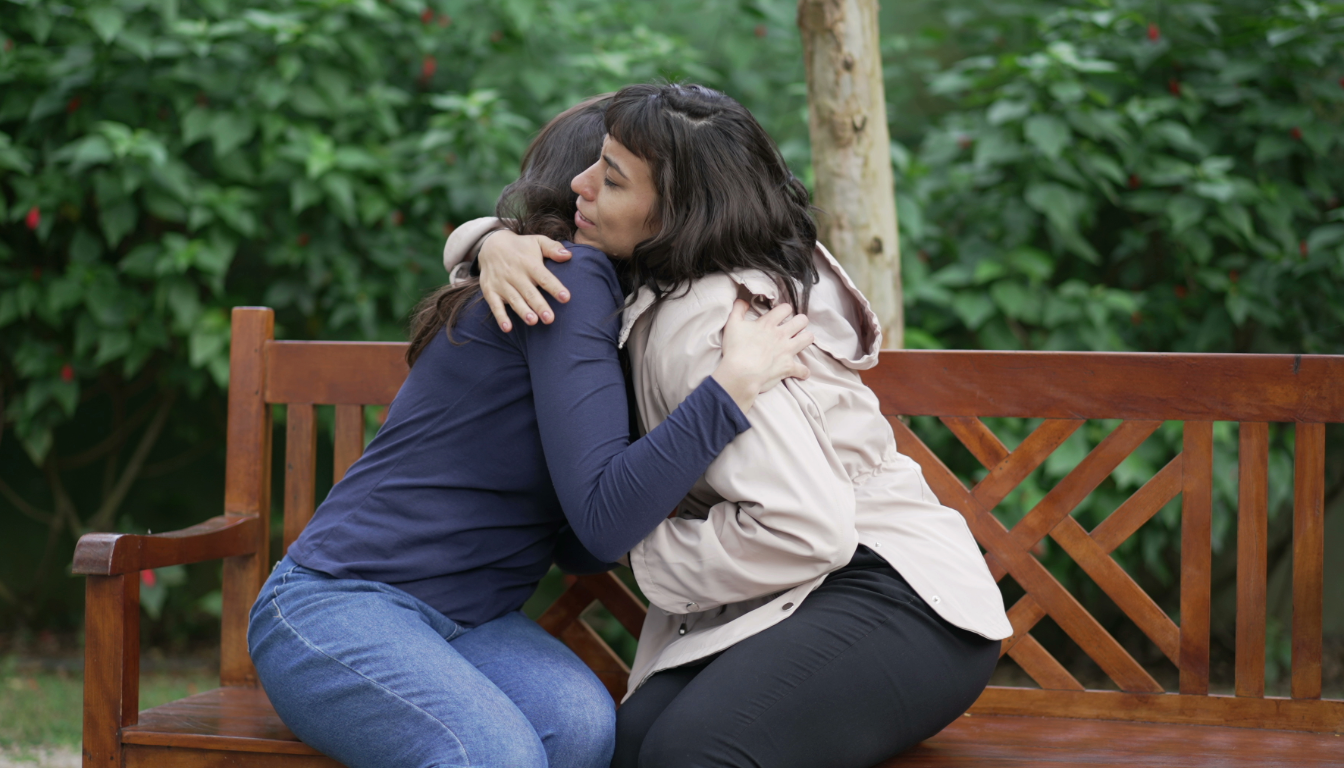
If something feels awkward, you don't have to push through with more words. Sometimes a hug, if it's welcome, or a simple "I have no words, but I'm here" is exactly what the moment calls for. You can sit together, listen, or let the silence be. Pay attention to what the person needs rather than what you think you're supposed to say.
I've spent much of my professional life helping people navigate grief, and I've learned that meaningful support often begins with this kind of awareness. Whether you're comforting someone who has lost a loved one or wondering how to help a friend through a difficult time, these suggestions can help you respond with more confidence, compassion, and care.
I recently joined Amb. Elisha on The Elisha Show to talk about what to say when someone is grieving, what can unintentionally hurt, and how we can show up with more compassion. You can listen to our conversation here or keep reading for practical suggestions.
What Should You Say to a Grieving Friend or Family Member?
What you say to a grieving friend depends on your relationship and what the person needs in that moment. A simple acknowledgment may be appropriate, especially if you don't know each other well. If you're close, you may want to speak more personally, share a memory, or simply offer your company.
"I'm so sorry for your loss" is perfectly fine when it's heartfelt, but it isn't the only option. You might say, "I've been thinking about you since I heard the news," or "I wish I knew what to say." If you knew the person who died, sharing something you genuinely remember about them can make your words more meaningful.
One reason we struggle to know what to say is that we want our words to accomplish something. We hope they'll make the person feel better, even briefly. But when someone has lost a loved one, there may be very little we can say that changes how they feel. Acknowledging what happened and being willing to listen can offer comfort and support without asking the person to feel differently.
You can also ask what would be helpful rather than assuming. Some people want to talk about their loss, while others welcome a distraction or quiet company. You might ask, "Would you like to talk about what's been happening, or would you rather do something else for a while?" Giving someone a choice respects their experience and takes some pressure off the conversation.
What Should You Say to Someone Who Lost Their Mom, Dad, Partner, or Child?
When someone has lost a loved one, acknowledging their particular relationship can be more meaningful than relying on a general expression of sympathy. If your friend lost their mother, you might share something you remember about her, or simply ask how they've been doing since her death. If you didn't know her, there's no need to invent a personal connection. You can express your care in a way that feels natural to your relationship.
If someone has lost their spouse or partner, you might recognize how much their daily life has changed. "I know you and James did so much together. Would you like some company this weekend?" offers connection without assuming what they need. When a child has died, using the child's name and sharing a genuine memory can be meaningful. If someone tells you their son passed away, acknowledge their child and the significance of the loss without offering explanations about why it happened.
Relationships can also be complicated. Someone who has recently lost a parent may feel sadness alongside relief, anger, guilt, or regret, especially if the relationship was strained. Rather than assuming how someone feels based on their relationship to the person who died, ask about their experience and listen to what they tell you.
Losing someone close can also change a person's routines, responsibilities, and sense of identity. Someone who has lost their father may suddenly be managing family responsibilities, while someone who has lost their partner may be adjusting to an entirely different daily life. Recognizing these changes can help you offer thoughtful support without assuming that you understand everything they're experiencing.
What Should You Write in a Sympathy Card or Text Message?
A thoughtful sympathy message is sincere, specific when possible, and doesn't require a response. A few sentences are usually enough to express your sympathy and remind someone that you care. If you're close to the person, include a memory or offer help with something you can realistically do.
What can you write in a sympathy card?
For a close friend, you might write: "I've been thinking about you and remembering some of the wonderful times we spent with your mom. I especially remember how she made everyone feel welcome. I'd love to see you when you're ready."
For a coworker, something simpler may be appropriate: "I was sorry to hear about your father's death. I'm thinking about you and your family. I'd be happy to help with anything at work while you're away."
These are examples, not scripts you need to follow. The best message sounds like something you'd actually say to that person, given your relationship.
What should you write when someone's family member is dying?
When someone is caring for a dying family member, acknowledge what they're facing without assuming how they feel or what will happen next. You might write, "I've been thinking about you and your family. I know there's a lot happening right now. Would it help if I brought dinner over this week?"
Grief can begin before a death, especially when someone is living with a serious illness or approaching the end of life. Family members may be dealing with uncertainty, exhaustion, difficult decisions, and changes that are already underway. Offering practical help may be more useful than trying to reassure them that everything will work out.
If they don't return that text, try not to take it personally. You can check in again another day without expecting an explanation.
What Should You Never Say to Someone Who Is Grieving?
Certain familiar expressions can unintentionally minimize a loss or suggest that someone should feel differently. We've all heard phrases like "Everything happens for a reason," "They're in a better place," or "At least they lived a long life." These statements may reflect genuine beliefs, but they can leave a grieving person feeling misunderstood.
I encourage people to notice what motivates the urge to reassure someone. Are we responding to what they're telling us, or are we uncomfortable with their pain? When someone we love is suffering, it's natural to want to improve the situation. Paying attention to that impulse can help us respond more thoughtfully.
Here are some alternatives to common expressions:
Be mindful of comparisons, too. If someone tells you they've lost their father, sharing a long account of your own father's death may shift the conversation away from their experience. There may be a time when your story is welcome, but having experienced a similar loss doesn't mean you know exactly what they're going through.
Your beliefs about life and death may also differ from theirs. What feels reassuring to you might not help someone else, particularly when spiritual beliefs or complicated relationships are involved.
For more on this subject, read How to Help to Those in Pain (Including Yourself), a guest article by grief counselor Karla Helbert published on my website.
How Can You Listen and Comfort Someone Who Is Grieving Without Trying to Fix Their Pain?
Begin by giving the person your attention. Put your phone away, let them finish their thoughts, and resist the urge to prepare your response while they're speaking. If they pause, give them time. Silence can feel uncomfortable when we're worried about saying the right thing, but a conversation doesn't need to move along at our usual pace.
It can help to reflect what you've heard before asking another question. If a friend says, "I feel completely lost without her," you might respond, "It sounds like you're having a really hard time adjusting to life without her." Then see whether they want to say more. If they ask for advice, you can explore what might help. Otherwise, listening may be exactly what they're looking for.
I began leading Yoga for Grief groups around 2009 while studying thanatology and working as a yoga therapist. Those experiences helped me understand how grief affects the whole person, including the body, thoughts, emotions, relationships, and sense of meaning. People were dealing with anxiety, sleeplessness, physical tension, and exhaustion alongside the emotional pain of loss.
That work eventually informed my 8-Step Mindfulness & Grief System. The framework draws from contemporary grief theory and contemplative practices to help people notice what's happening, understand what may need attention, and choose how to respond. We can apply that same awareness when supporting someone else by noticing our own reactions while remaining attentive to theirs.
What If Someone Feels Angry, Guilty, Numb, or Grieves Differently Than You Expected?
A grieving person may feel sad, angry, guilty, numb, relieved, or several emotions at once. Some people cry openly, while others focus on practical responsibilities, work, or daily routines. How someone expresses grief doesn't necessarily tell us how deeply they're affected.
Grief researchers Terry Martin and Kenneth Doka describe different grieving styles, including approaches centered on emotional expression and others that emphasize thinking, action, or problem-solving. Recognizing these differences can help us avoid judging someone whose response looks different from our own.
What should you say when someone feels guilty or angry?
When someone expresses guilt, try listening before offering reassurance. If your friend says, "I should have done more," you could respond, "It sounds like you've been thinking a lot about what happened. Would you like to tell me more?" If they're angry, acknowledge their frustration and ask whether they want to talk about it.
The Dual Process Model of Bereavement, developed by Margaret Stroebe and Henk Schut, also helps explain why someone may move between attending to their grief and managing everyday life. A person who laughs at dinner or enjoys an afternoon with friends isn't necessarily avoiding their loss. Taking breaks from difficult emotions can be part of adapting.
Respect their grieving process by allowing their needs and reactions to change. What feels helpful one week may not feel helpful the next.
What Practical Help Can You Offer a Grieving Friend?
Offer practical help with something specific, such as groceries, meals, transportation, or childcare. Grief can affect concentration, memory, sleep, and energy, making routine tasks more difficult. A general "Let me know if you need anything" may be well-intentioned, but it asks an already overwhelmed person to figure out what they need and then request it.
Instead, choose something you can realistically do and ask whether it would help. You could offer to bring dinner on Thursday, walk the dog, pick up a prescription, or drive someone to an appointment. If your friend is making funeral arrangements, they may appreciate help contacting relatives or handling household responsibilities while they're working with the funeral home.
Ask permission before taking over a task, especially when it involves important decisions, finances, or personal belongings. A grieving friend or family member may appreciate meals but want to handle certain responsibilities themselves. Respecting their independence is an important part of offering support.
Practical help can also include ordinary companionship. A walk, lunch together, or an afternoon watching something funny may be welcome. Grieving is exhausting, and sometimes people need a little time away from difficult conversations.
Should You Talk About the Person Who Died?
Many grieving people appreciate hearing their loved one's name and knowing that other people remember them. You can share a favorite memory, mention something you admired about the person, or ask whether your friend would like to talk about them. Let their response guide what happens next.
Continuing Bonds theory recognizes that our relationships with people who have died can remain meaningful as we adapt to life after loss. Memories, traditions, values, meaningful objects, and shared stories can all be ways of maintaining that connection. This is an important part of my Mindfulness & Grief System, particularly when people are exploring how to carry love and loss together.
You might say, "I was remembering that camping trip we all took. Remember how your dad insisted he knew the way and got us completely lost?" A genuine memory, including something funny, may be more meaningful than a formal expression of sympathy.
Some relationships are complicated, of course. If the person who died was abusive, estranged, or difficult to love, memories may bring relief, anger, regret, or conflicting emotions. Allow your friend to decide what they want to share rather than encouraging them to remember only the good times.
How Can You Support Someone in the Weeks and Months After a Loss?
Stay connected after the funeral, when the initial attention begins to fade. Friends and relatives may have returned to their routines, but the person who has lost someone is still adapting to daily life without them. Ordinary moments, such as preparing dinner for one or reaching for the phone to share some news, can bring unexpected reminders of the loss.
Check in occasionally, invite your friend to lunch, and remember meaningful dates. You might send a message saying, "I've been thinking about you today. Would you like some company this weekend?" If they decline, respect their choice while keeping the friendship open.
Birthdays, death anniversaries, holidays, and other meaningful dates can bring up emotions and memories in unexpected ways. My Death Anniversary Guide offers ideas for remembering a loved one, honoring the relationship, and approaching the day with greater awareness and self-compassion.
If you're supporting someone, ask whether they'd like company or have something special planned. They may want to share memories, continue a familiar tradition, try something new, or spend the day quietly. Let them decide what feels right, and remember that their wishes may change from year to year.
What if your friend needs more support than you can provide?
You can tell them about my Mindfulness & Grief School, an online grief support community for adults who have lost a loved one. Members can participate in live groups, learn about grief, explore the eight-step system, and practice mindfulness, meditation, and journaling alongside others who understand.
The School provides grief education, guided practice, and community rather than psychotherapy. You might share the link and explain why you thought of them, then leave the decision to explore it in their hands.
What If You're Grieving, Too?
If you're grieving alongside someone else, begin by paying attention to your own experience. You may be supporting a family member through a shared loss, or their grief may bring up memories of someone you love who died. Either way, your feelings and needs deserve attention.
How can you process grief in everyday life?
Grief can affect your body, thoughts, emotions, relationships, and daily routines. Begin with something manageable. Notice what you're experiencing, ask yourself what you need, and choose one action that feels supportive. You might take a walk, write in a journal, call a friend, or spend a few minutes practicing mindful breathing.
In my mindfulness teaching, I often begin with the question, "What's happening right now?" You can notice physical sensations, emotions, and thoughts without having to analyze everything or make yourself feel differently. If you find yourself overwhelmed, you might first focus on something grounding, such as feeling your feet on the floor or noticing the sounds around you.
The Mindfulness & Grief System includes meditation, movement, self-compassion, journaling, and self-care because grief touches so many areas of life. Different practices may be helpful at different times, and you can choose what fits your circumstances.
You can also seek support from a grief counselor, licensed therapist, or community group, particularly when you're having difficulty managing daily life. Caring for yourself doesn't diminish your care for someone else.
What Matters Most When Someone Is Grieving?
When someone is grieving, pay attention to what they're telling you and what may be happening within you. Notice the urge to offer advice, fill a silence, or reassure them before they've finished speaking. You can acknowledge those reactions without acting on them.
The person you're supporting may want to talk, remember their loved one, ask for practical assistance, or simply enjoy some company. Their preferences may change over time, and it's worth continuing to ask rather than assuming.
Here are the most important things to remember:
- Speak sincerely. There's no single phrase that works for everyone. Let your words reflect your relationship and the moment.
- Listen without rushing to respond. Give the person time to share their feelings and memories.
- Notice your own discomfort. A moment of mindfulness can help you respond more thoughtfully.
- Avoid platitudes and comparisons. Let the person's experience guide the conversation.
- Offer specific practical help. Make suggestions they can easily accept or decline.
- Respect different grieving styles. People express and cope with grief in different ways.
- Remember the person who died. Share stories and memories when they're welcome.
- Keep reaching out. Support matters during the months and years after a significant loss.
- Take care of yourself, too. Recognize when you need rest, boundaries, or additional support.
You may still feel awkward sometimes, particularly when someone you love is in pain. You can acknowledge that feeling, take a moment to settle, and offer whatever presence and care you can genuinely give.
Listen to My Conversation on The Elisha Show
I recently joined Amb. Elisha on The Elisha Show to discuss what to say when someone is grieving and what not to say. We explored why people often struggle to find the right words, how well-intentioned platitudes can hurt, and what it means to support someone through listening, compassion, and practical help.
We also talked about grief beyond death, including divorce, estrangement, and job loss, along with ways mindfulness and self-compassion can help us navigate difficult emotions.
If you're supporting someone through loss or navigating your own grief, I hope you'll find something useful in our conversation.