

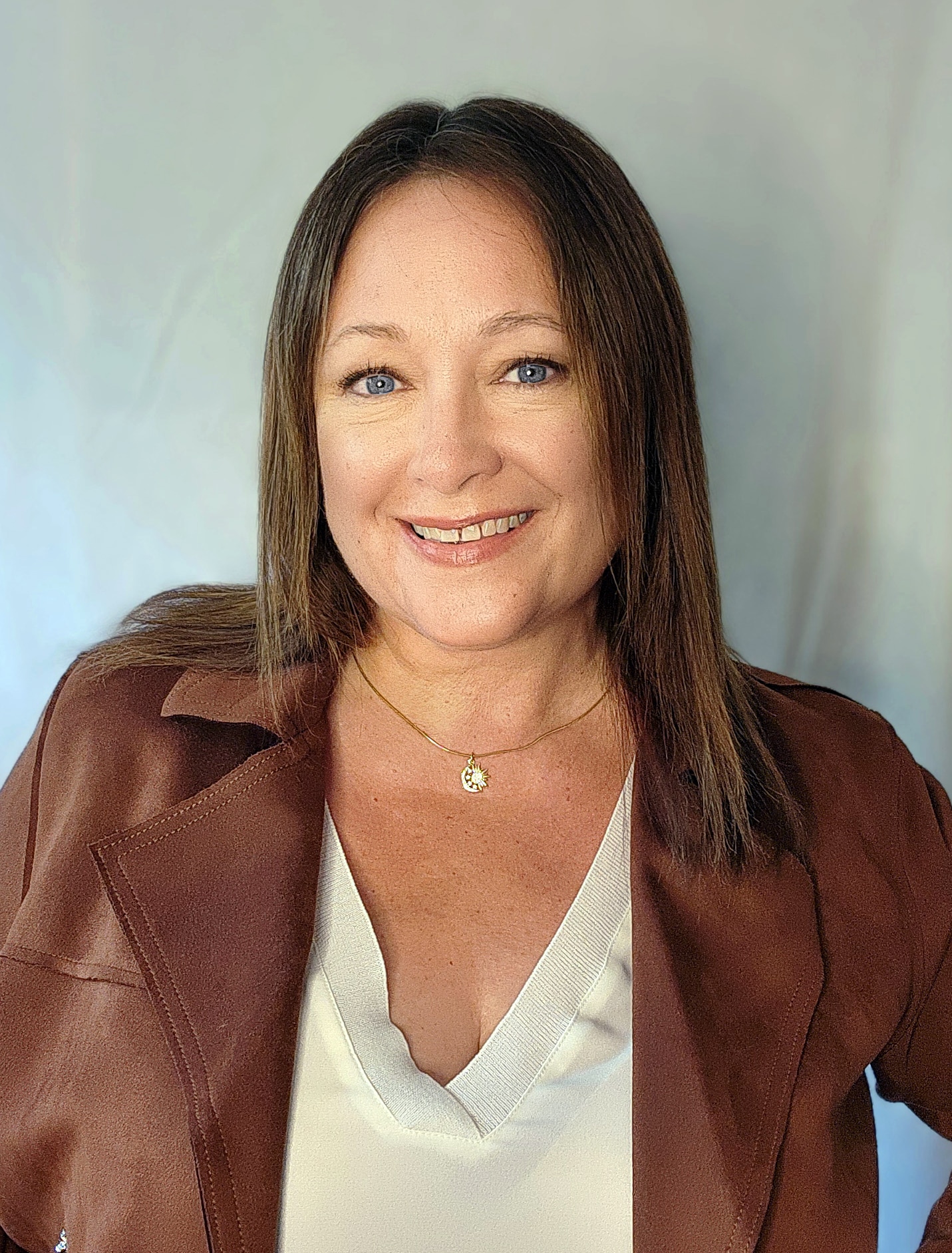
 Heather Stang


What It’s Like to Learn With Heather Stang
I’ve spent more than 20 years studying grief, teaching mindfulness, working with grieving people, and paying attention to what actually helps in real life.
In the Mindfulness & Grief Coach Certification, I bring that experience into a live, small-cohort classroom where research, practice, questions, feedback, and real-world application all belong.
February 5 to April 30, 2027 · Fridays, 12:00 to 2:00 PM ET · Live online
What Working With Heather In The 12-Week Training Is Really Like
I do this work because I value connection, and because I want what I’ve learned over the years to be shared in a way that genuinely helps people.
The 12 weeks give us time to learn together, ask real questions, practice, reflect, and build trust. I want you to feel the care I bring to this work, and the joy I feel in passing it on. In this video, I’ll show you what that feels like inside the cohort.
What Two Decades in Grief Work Have Taught Me About Teaching It
My graduate training in thanatology gave me a strong academic foundation in death, dying, bereavement, and grief. My work as a Certified Yoga Therapist and longtime mindfulness practitioner taught me to pay attention to what grief does to the body, attention, relationships, and everyday life.
The rest came from years of teaching, facilitating, writing, and listening. You begin to recognize patterns. You hear the questions people actually ask. You see where a model is useful, where it needs nuance, and how differently two people can respond to the same practice.
That experience shapes the way I teach. I care about the research, and I care just as much about helping you understand what to do when the person in front of you does not fit neatly into the example in a book.

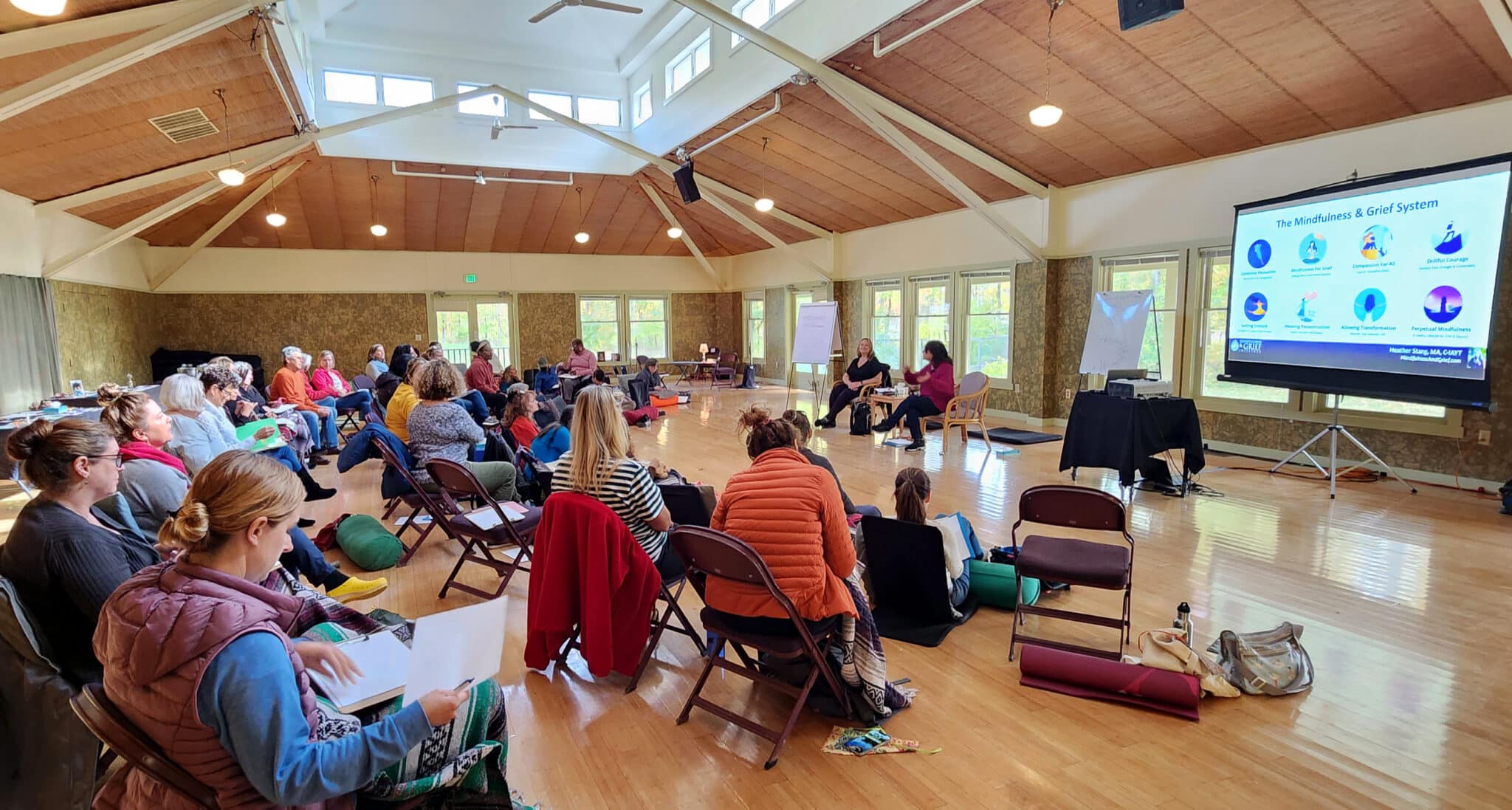
Research Matters. So Does What Happens in the Room.
I love the research. I cite my sources. I want you to understand where an idea comes from, why I use it, what the evidence says, and where the limits are.
I also teach from the room we are actually in. We might begin with a mindfulness practice, notice what happened in your own experience, connect that to the theory behind it, and then talk about how the same practice may land differently for someone else.
Questions are part of the teaching. If something useful comes up, we can spend time with it. I’ll tell you what I am noticing and why I am making a particular facilitation choice.
We take the work seriously, and there is still room for warmth, curiosity, humor, and being human together.
Your Wellbeing Is Part of the Training
You do not arrive as a blank slate. You bring your own professional experience, training, strengths, questions, and way of connecting with people.
I want to know what you already bring and help you understand how the Mindfulness & Grief System can fit alongside it.
For one person, that may mean integrating mindfulness into an established therapy practice. For another, it may mean getting clearer about scope, ethics, and facilitation. Someone else may be learning how to use the framework in hospice, spiritual care, coaching, yoga, wellness, or group support.
Everyone learns the same 8-Step System. How you apply it depends on your role, the people you serve, and what is happening in front of you.
I keep each cohort to 30 people because I want enough room to know who I am teaching, hear your questions, understand your context, and give useful feedback while you practice.

You Learn From the Material, the Practice, and the Room
The curriculum gives us a strong foundation. Live teaching gives you a chance to see how that knowledge works with real people.
Experience the Practice
You meditate, journal, reflect, and work with the same practices you may eventually offer other people.
See the Facilitation
Watch how I introduce a practice, pace a conversation, respond to what comes up, and adapt when something does not land as expected.
Try It With Other People
Practice the work with peers and learn from what happens instead of waiting until you feel perfectly prepared.
Learn From What Happened
Notice what worked, what felt awkward, what you want to strengthen, and what you might try differently next time.
You Learn This Work Personally and Professionally
Few of us come to grief work without grief and loss of our own.
That is why part of the certification is about you. You experience mindfulness, journaling, self-compassion, movement, and reflection for yourself before thinking about how you might offer them to someone else.
You begin to notice your own reactions, what helps you stay present, and where you may feel the urge to fix, rescue, or take responsibility for another person’s pain.
Then we put on the professional hat and look at how the same principles apply to the people you serve.
Experience what it is like to receive the invitation before you become the person offering it.
Connect what you notice in the person in front of you with the principles and practices that may be useful now.
You Bring Your Experience. We Build From There.
People come into the program from different professional backgrounds and with different levels of experience. You may be a therapist, coach, chaplain, hospice professional, yoga teacher, death doula, bereavement professional, peer supporter, or someone whose work already brings you into contact with grief.
You may already feel comfortable being with grief and want a clearer methodology. You may know grief theory and want more practical ways to use mindfulness, journaling, movement, and self-compassion. Or grief may simply be showing up more often in the work you already do.
What matters most is curiosity, a willingness to practice, and an interest in supporting grief with care, discernment, and respect for your professional role.
A Framework You Trust and a Way of Working That Feels Like You
I want you to leave knowing more, but I also want that knowledge to change what happens when you are sitting with another person.
You will have practiced the tools yourself, facilitated them with other people, explored the grief theory behind them, and learned how to think about pacing, language, ethics, scope, and boundaries.
Over time, that practice gives you more confidence in your choices. You have something to return to when you are unsure, while still making room for the individuality of the person in front of you.
Educated enough to understand the why.
Practiced enough to use what you know.
Confident enough to make thoughtful choices.
Clear enough about your role to care without trying to fix.
And satisfied with the way you show up for the people you serve.
Want to Learn This Work With Me?
The next Mindfulness & Grief Coach Certification begins February 5, 2027.
Join the waitlist for first access when enrollment opens, including the lowest tuition price and book bonus.
If you still have questions about your professional role, background, or whether the training is a good fit, you can also schedule a call with me.
Each cohort is limited to 30 participants so I can get to know who is in the room and give meaningful feedback as you practice.