A Mindful Path
Through Loss

Grief can break your heart, but it doesn't have to break your hope

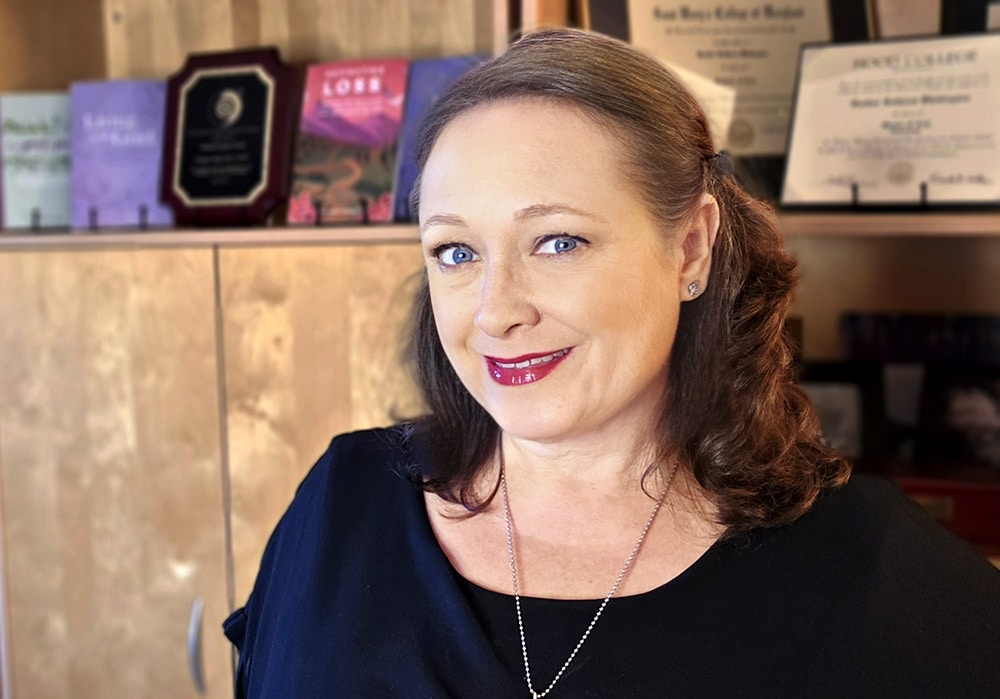
I’m Heather Stang, author and creator of the Mindfulness & Grief System. For more than 20 years, I’ve supported grieving people in finding steadiness, compassion, and a way to keep living after loss.

You don’t need to be fixed. You need the right tools, the right support, and a compassionate path forward. Start where you are:

A process grounded in thanatology and full of heart

If you’re here, you may be wondering what kind of support you need, or whether anything can really help.

My work is grounded in thanatology, the study of death, dying, and grief, and shaped by more than 20 years of supporting people through loss. It brings together mindfulness, journaling, compassion, and evidence-informed practices you can use in real life.

At the center of this work is the Mindfulness & Grief System, the 8-step framework behind my books, programs, and professional training.

If you’re looking for support that honors the natural experience of grief while helping you nurture self-compassion, your inner wisdom, and hope, you’re in the right place.

Ways to work with me

Start with a free workshop

Whether you are grieving or supporting others, you can start in a way that feels right for you.

For those who are grieving
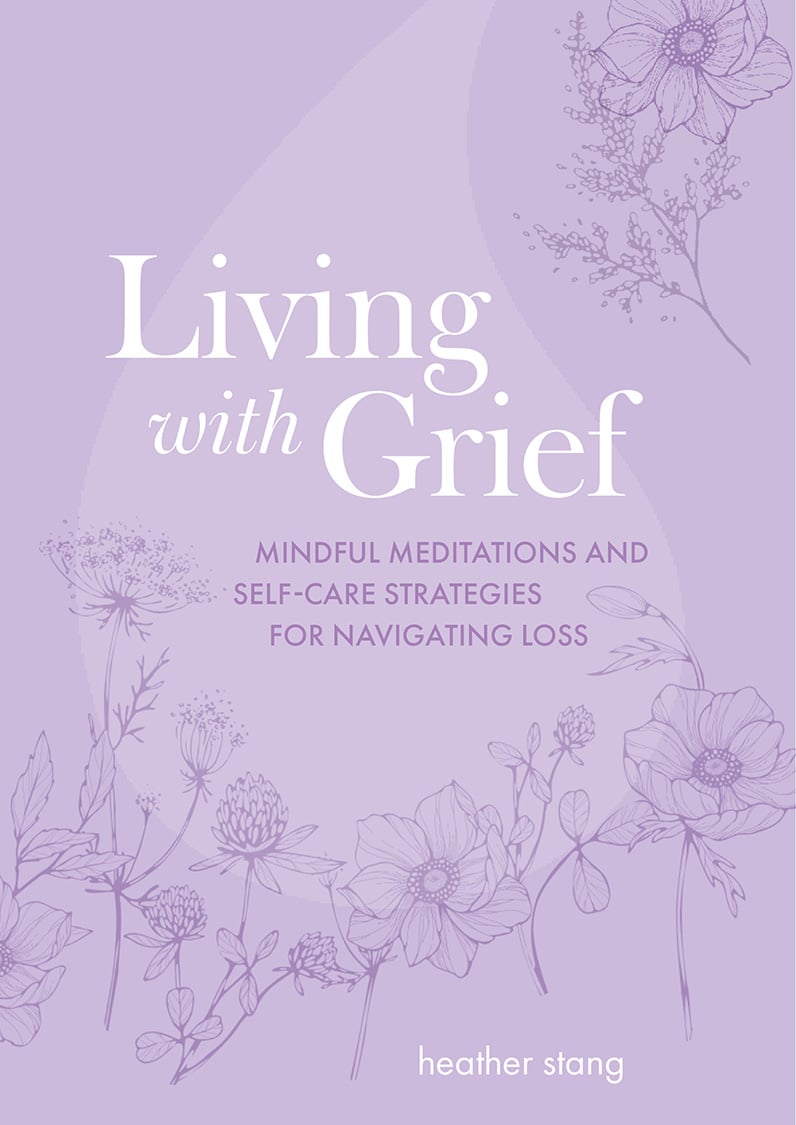
Living With Grief is for people who are grieving and want practical mindfulness-based practices for coping with loss, including meditation and journaling.

For therapists, chaplains, meditation, and yoga professionals
Learn the Mindfulness & Grief System is for professionals who want a clear introduction to the framework and how it supports bereavement care.

Get support for your grief

If you are grieving and want more personal or ongoing support, there are two ways to work with me.

The Awaken Grief Support Program offers a structured, guided path to help you live with loss in a more grounded and compassionate way.

Private grief coaching sessions are available for both grief support and relationship loss, offering individualized care based on your experience.

Train as a professional

If you support grieving people, the Mindfulness & Grief Coach Certification gives you a clear, evidence-informed framework you can use in your work.

You’ll learn how to guide others through grief while also caring for your own well-being.

Bring this work to your organization

As a grief speaker, I offer workshops and professional training for hospices, associations, funeral homes, universities, retreat centers, and grief-adjacent organizations that support people through loss.

A mindful path shaped by grief

I came to this work through my own grief, not just through study.

After 9/11, during my first retreat at Kripalu, I had a powerful experience in my body while standing in tadasana. Grief I had carried for years surfaced, including the death of my uncle by suicide, old untended losses, and the collective grief in the room. That moment helped me understand something I still believe: grief does not live only in our thoughts. It lives in the body, too.

Mindfulness did not take my grief away. It gave me a way to stay present with what felt unbearable, one breath, one moment, one practice at a time.

That experience led me deeper into Phoenix Rising Yoga Therapy and shaped how I support others today. My work helps people notice what is happening in the body, listen to their inner wisdom, and meet grief with steadiness, compassion, and choice.

I know grief is not something to fix, explain away, or rush toward meaning. It asks for presence, practical tools, and the right kind of support.

Mindfulness & Grief Coach Certification with Heather Stang

A trusted mindfulness-based approach to grief

My own grief first showed me how mindfulness and body-based practices could help me stay present with what felt unbearable. My Master’s in Thanatology gave me the language, theory, and research to understand why those practices mattered.

Together, those two streams, lived experience and grief science, led me to develop the Mindfulness & Grief System.

This 8-step approach is grounded in thanatology, the study of death, dying, and grief. It is featured in The Handbook of Grief Therapies and used by professionals in hospice, healthcare, counseling, education, and community settings.

I first presented the Mindfulness & Grief System at the Association for Death Education and Counseling in 2014, where it was met with strong interest from grief professionals. 

In 2025, I received the ADEC Clinical Practice Award for Innovation in Grief Support, recognizing my contribution to compassionate, evidence-informed grief care and the development of this work. I am now on the Vice-Chair of the ADEC Conference Planning Committee.

What others say about this work

These reflections come from grief leaders, professionals, and people who have experienced the Mindfulness & Grief approach in real life.

When we are more firmly grounded in our bodies, as Heather Stang demonstrates, we are better able literally and metaphorically to find a new footing in the world, and to restore a life of meaning and coherence.

robert a neimeyer
Director, Portland Institute for Loss and Transition

Heather Stang offers those who are grieving a wise and practical guide. The stories, teachings and meditations in this book will help you find your own inner strength and awakening heart in the midst of great loss.

tara brach
Author of Radical Acceptance and True Refuge

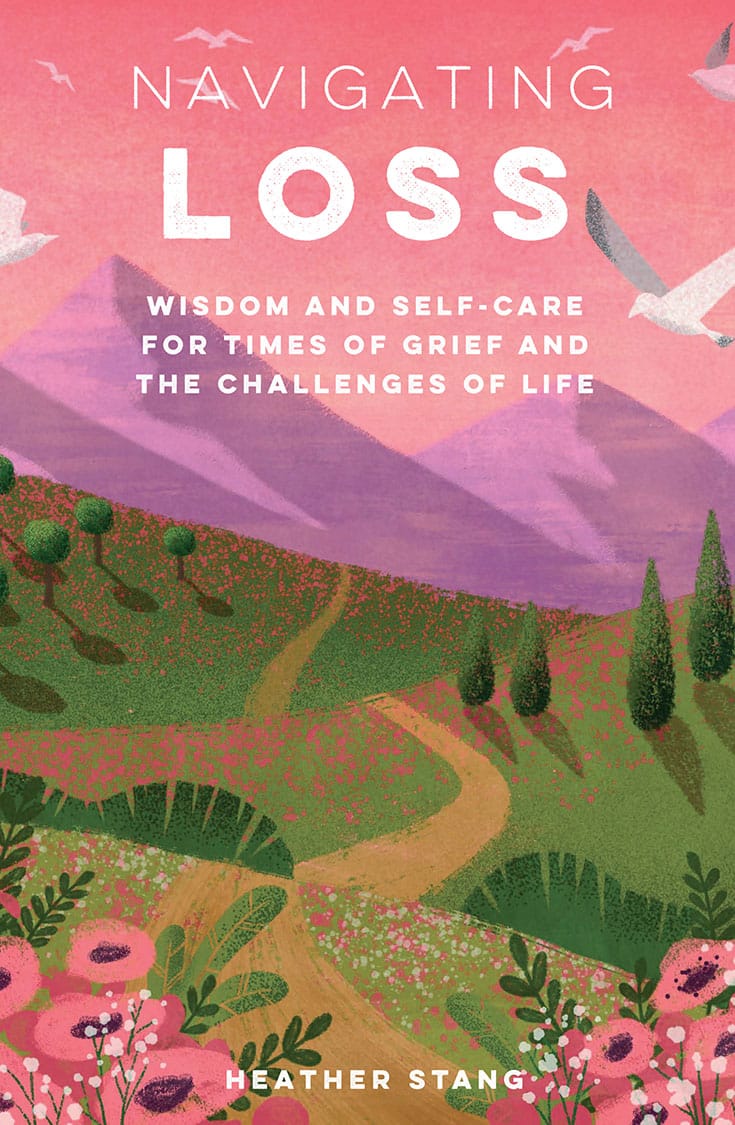
Heather Stang's Navigating Loss is a valued compass for navigating a wide range of life's losses. Grieving individuals will find it both informative and full of activities and exercises to assist in coping with grief. It is a wonderful resource for the bereaved.

Kenneth J Doka
Senior Vice-President, The Hospice Foundation of America

What was missing for me with other support group was tools and validation. Heather doesn't just lead/administer the group, she hears you, receives your pain in such a beautiful way. You know you have been heard by someone skillful in grief and others who know your pain all to well. 

Karen
bereaved daughter

Those moments when I was just in angst or couldn’t sleep…I could turn to the processes in the modules or things we had shared on calls and find those moments of peace and eventually the moments linked into hours and days and weeks.

Sharon
bereaved spouse

The meditation practice has been crucial to helping me gain some level of calm and acceptance about life on life's terms. Heather's gentle presence is a weekly respite from the relentless pain of grief, and her wisdom about the grieving process helps to normalize all that we experience as we move through it. 

S.A.
BEREAVED SIBLING

Books for living with grief and loss

My books offer practical, compassionate support for grief, journaling, non-death loss, and life after loss.

Each one grew from the same foundation that guides my teaching: mindfulness, thanatology, compassion, and the belief that grief is not something to fix, but something we learn to live with.

Whether you are grieving yourself or supporting others, these books can help you find words, practices, and perspective when you need them most.

My most popular grief support articles

If you’re looking for support with a specific part of grief, these articles are a good place to begin.

My most-read grief resources offer practical guidance for the moments that can feel especially hard: grief waves, anxiety, journaling, body-based grief, relationship loss, and finding your way through ordinary days after loss.

Each article is written to help you pause, understand what may be happening, and try one small practice that supports you right where you are.

A home for your grieving heart

Grief does not move in a straight line. It changes over time, and so do the kinds of support that help. You may be here because you are grieving now, because you support others through loss, or because both are true.

This work is meant to be a steady place you can return to as life continues to change. A place that honors your experience, respects your pace, and offers support without asking you to become someone you are not.

You do not need to figure everything out at once. You can begin where you are, pause when you need to, and return when something inside you asks for care again.