Mindfulness & Grief Coach Certification
My 12-week professional training teaches the 8-Step Mindfulness & Grief System through live learning, guided practice, scripts, and tools you can bring into your work with grieving people.


I help grieving people learn how to live with loss, and I teach professionals how to support grief with practical tools, a clear framework, and room for the person in front of them.
My work brings grief theory, mindfulness, self-compassion, and embodied practice into real life, where grief is rarely neat and the same thing will not help every person.
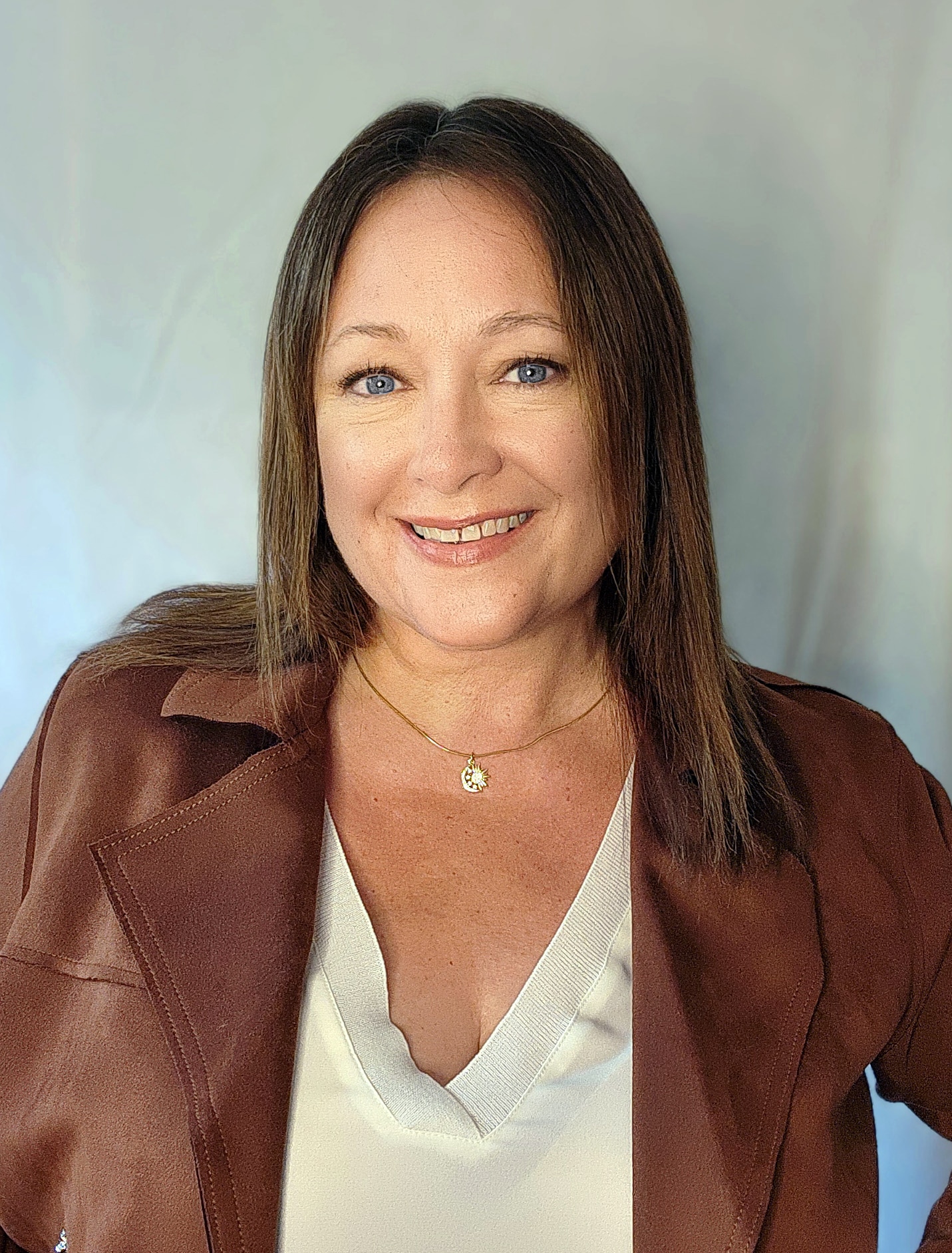
My work takes different forms, but the foundation is the same: grief deserves thoughtful support, practical tools, and room for each person's experience. Whether you support grieving people professionally or are navigating loss yourself, here are the main ways to work with me.
My 12-week professional training teaches the 8-Step Mindfulness & Grief System through live learning, guided practice, scripts, and tools you can bring into your work with grieving people.
Ongoing support for people living with grief, including live classes, guided meditation, courses, and resources you can return to as your needs change.
Individual online sessions for people living with the death of someone they love or other significant losses. We make room for your experience and explore mindfulness, self-compassion, and practical ways to care for yourself.
Individual support for divorce, breakups, and relationship loss, including the grief of losing a shared future, identity, or sense of belonging.
Speaking, keynotes & workshops: I also present for conferences, organizations, and professional groups. Explore speaking and training →
If you are grieving, you may be trying to make sense of a life that no longer feels like the one you knew. If you support grieving people, you may understand grief deeply and still find yourself wondering what would actually help this person, in this moment.
Grief can affect the body, attention, sleep, identity, relationships, beliefs, sense of safety, and the future you thought you were going to have. When support is too rigid, too abstract, or too focused on fixing, people can feel even more alone.
The question that has shaped my work for more than two decades is simple: How can we offer enough structure to be useful without turning grief into a formula?
There is no universal timeline. No stage everyone must reach. No single meditation, journal prompt, ritual, or insight that is right for every person.
Grieving people are the authorities on their own experience. Good support helps people notice what is happening, understand what they need, and have choices about what might help.
That is why my work combines structure with choice. The framework gives us somewhere to stand. The person grieving still gets to decide where to go.
A framework can give us somewhere to stand without deciding what another person should feel, need, or do next.
Understand what grief is doing in your life, learn practices you can turn to when things get hard, and find ways to care for yourself as you live with a loss that still matters.
Build a framework for what to offer, when to offer it, how to stay within your scope, and how to support grief without carrying all of it home.
I created the 8-Step Mindfulness & Grief System to offer some structure when grief makes life feel anything but predictable.
The system brings together mindfulness, self-compassion, grief theory, meditation, journaling, and ways to care for yourself in everyday life. It is the foundation of my books, private work, support groups, and professional training. You can explore all eight steps, including practices you can try, on the dedicated page.
By the time I was seven, both of my uncles had died. My mother's brother died by suicide. My father's brother, who had a developmental disability, died in his early twenties when I was about two. Both of my parents had lost their only sibling, and all four of my grandparents had lost a child.
Long before I had language for grief, I was growing up in what I now think of as an ecosystem of grief.
Years later, while running a web development company and dealing with a stress-related illness, I found yoga and mindfulness. Those practices helped me reconnect with my body and changed the direction of my life.
I went on to volunteer as a suicide and crisis hotline call specialist in honor of my uncle, including work following Hurricane Katrina and on a National Institute of Mental Health-funded research project connected with the National Suicide Prevention Lifeline. Eventually, that path led me to earn a master's degree in Thanatology and become a Certified Yoga Therapist.
Education did not replace lived experience. It gave me more ways to understand it.

My work includes death-related loss as well as non-death, ambiguous, and disenfranchised grief. That can include divorce, estrangement, betrayal, serious illness, caregiving, changes in identity or ability, career or financial loss, relocation, major life transitions, and the loss of an expected future.
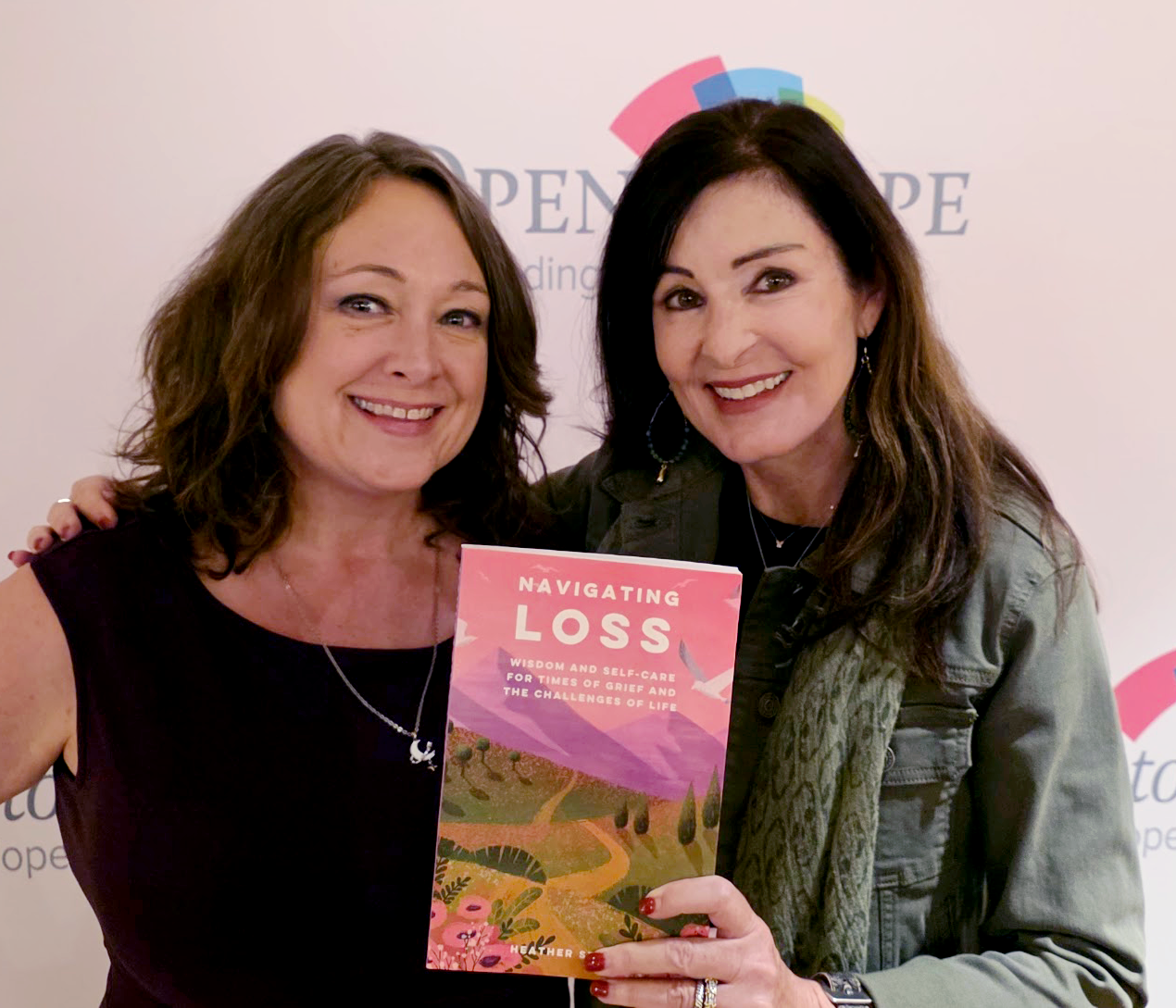
These experiences shaped my book Navigating Loss and continue to inform my writing, teaching, and professional training.
No two people experience loss in exactly the same way. The relationship matters. The circumstances matter. Culture matters. The body matters. And the life surrounding the grief matters.
Some approaches give you stages. Some give you tools. Some focus almost entirely on talking. Some mindfulness approaches can unintentionally become another version of "calm down and accept it."
My work draws from grief scholarship, mindfulness, self-compassion, yoga therapy, embodied practice, and more than two decades of working with grief. What matters is how those pieces come together when there is an actual person sitting in front of you.
The goal is not to collect techniques. It is to develop discernment.
When might a meditation help?
When could it overwhelm someone?
When would a question open something useful?
When is silence the better choice?
When do you lean toward grief, and when do you rest?
When are you helping, and when are you beginning to carry what is not yours?

Living With Grief offers mindfulness practices, meditations, and self-care for living with loss. From Grief to Peace is a guided journal for reflection, writing, and meaning-making. Navigating Loss expands the conversation beyond bereavement to include ambiguous, invisible, and non-death losses.
I have also contributed practices and chapters to professional texts including The Handbook of Grief Therapies, Techniques of Grief Therapy, Superhero Grief, and other books for grief professionals.
I teach and present for bereaved communities, healthcare professionals, hospices, grief organizations, mindfulness communities, and grief-adjacent professions.
Organizations and events I have worked with include the Association for Death Education and Counseling, TAPS, Omega Institute, the National Hospice and Palliative Care Organization, the National Fallen Firefighters Foundation, and others.
Whether I am giving a keynote, leading a professional training, facilitating a grief group, or teaching a certification cohort, I want people to leave with something they can actually use.


Grief does not stay inside hospices, counseling offices, or bereavement groups. It shows up in healthcare, law, workplaces, funeral service, caregiving, and other professions where people are often expected to respond to loss without much grief-specific training.
My professional education focuses on grief literacy: understanding how grief can show up, responding without trying to fix it, and having practical ways to support someone while staying within your role.
Credentials do not make someone compassionate or wise. But when you are choosing a teacher, speaker, trainer, or grief professional, you deserve to know what informs their work.
I'm the founder of the Mindfulness & Grief Institute, which I established in 2009, and the creator of the 8-Step Mindfulness & Grief System. My background combines thanatology, yoga therapy, mindfulness teaching, crisis support, writing, and professional education.
My presentations have included ADEC conferences, the Omega Institute, TAPS, the Hospice Foundation of America, and professional audiences in healthcare, law, and bereavement support.
See my publications, awards, and professional contributions → Invite me to speak →
When I am not writing, teaching, or talking about grief, you will probably find me walking with my dog Aerial, cooking something, listening to live music, or working on whatever has captured my curiosity lately.
Aerial has also made more than a few appearances behind the scenes while I record the Mindfulness & Grief Podcast.

You want grief support that makes room for complexity. You value mindfulness but do not want it used to bypass anger, fear, confusion, or pain. You want practical tools without being told there is one right way to grieve.
If you are a helping professional, you may be looking for a framework that helps you turn what you already know into more intentional practice. You want to know what to offer, when to offer it, when to slow down, and when another kind of support or referral is needed.
In either case, my work starts with the same assumption: your experience deserves curiosity, choice, and respect.
You may be here because grief has become part of your own life, or because supporting grieving people is part of your work. There are different ways to begin.

Important: This page and the practices shared here are for educational and supportive purposes only. They are not a substitute for mental health care, medical care, or crisis support.
If you are concerned about your safety, struggling to function, or experiencing thoughts of harming yourself or someone else, please contact a licensed mental health professional, call 911, or go to the nearest emergency room right away.
If you are in the U.S. or Canada, you can also call or text 988 for immediate crisis support.
Copyright 2026 Heather Stang, MA, C-IAYT, All rights reserved.